Magnetic Particle Inspection Equipment: A Clear Guide for First-Time Buyers
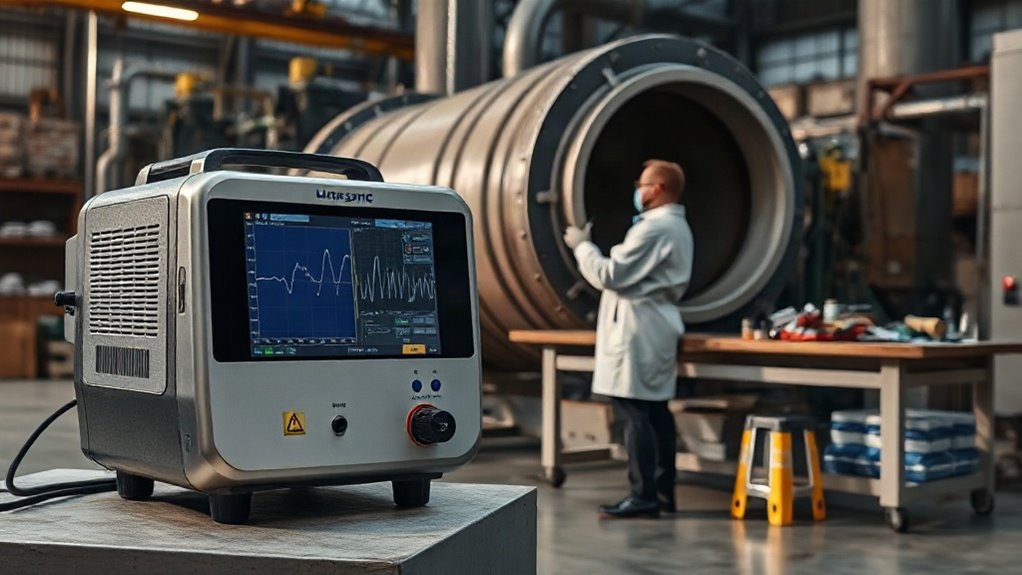


MPI gear must fit the part and the work. The team needs the right field direction. It also needs enough field strength. Part load and view steps must be safe. Good light and clean media help too. Each step should be easy to repeat.
This guide looks at the job in plain terms. It is written for repair engineers in quality teams. The aim is to keep clear test records. No test should be picked by name alone. The part and flaw should lead the choice.
A useful place to start is the real test need. Teams can review magnetic particle inspection equipment as one part of that plan. The next step is to match the method to the part. It should also fit the shop flow and work rule.
Brief Overview
- Start with the part, flaw, test zone, and work rule.
- Keep setup checks short, clear, and easy to repeat.
- Plan access, part move, and staff tasks before the test.
- Tie each test record to the right part and job.
- Use auto steps only when they solve a real shop need.
Match MPI to the Metal and Part
The station needs room for clean up and care. Drains should be easy to reach. Cables and contacts will need checks. The team may also need a de-mag step. Plan these needs before install. Service room can be as vital as test room.
Safe work comes first in any test plan. Think about lifts, hot parts, water, current, light, and moving gear. The exact risk will change by method. Put the main safe steps in the normal work flow. This point is worth a check in quality teams. It can help the team keep clear test records.
Set the Field in the Right Way
Before a buy, list the full part range. Add mass, size, metal, and flaw path. State the shift rate. Check power and floor space. Review light, drain, and safe load needs. Then compare each machine on that same list.
Plan for a fault before it happens. Know what staff should check first. Keep key spare parts close if the line is vital. Save the last good setup. A short fault guide can cut down time and guess work. This point is worth a check in quality teams. It can help the team keep clear test records.
Plan Safe Part Load and View
MPI needs a metal that can hold a field. Many steel parts fit this need. Some other metals do not. The part shape also matters. The crack path may run in more than one way. The field should cross the likely crack path. More than one field step may be needed.
A trial run can find weak points early. Use a part that looks like real work. Check load, access, and test time. Watch the signal or flaw sign. Review the record at the end. Small changes are much easier before full work starts. This point is worth a check in quality teams. It can help the team keep clear test records.
Keep Test Media Under Control
The field can be made in several ways. The right way depends on part shape. It also depends on crack direction. Current must stay in the set range. Contact points need care too. The work plan should state how the field check is made.
Quality and line staff should plan the job together. Test staff know the method limits. Line staff know part flow and access. Quality staff know the pass rule. A short joint review can stop many late changes. This point is worth a check in quality teams. It can help the team keep clear test records. A wider plan may also include non destructive testing services when that fits the job. The same rule still applies. Match the test to the part and flaw.
Use Auto Steps Where They Help
Part load should be safe and repeatable. The fixture must not hide the test zone. The user needs a clear view of the part. For wet MPI, media flow should reach the right area. A good station keeps each step in the same order.
Safe work comes first in any test plan. Think about lifts, hot parts, water, current, light, and moving gear. The exact risk will change by method. Put the main safe steps in the normal work flow. This point is worth a check in quality teams. It can help the team keep clear test records.
Plan for Clean Up and Service
Wet test media needs simple checks. The mix must stay in the right range. Dirt and oil can make it hard to read. Light level also matters for some https://metascan.co.in/ test types. The team should log the key checks. Clean work makes flaw signs easier to judge.
Plan for a fault before it happens. Know what staff should check first. Keep key spare parts close if the line is vital. Save the last good setup. A short fault guide can cut down time and guess work. This point is worth a check in quality teams. It can help the team keep clear test records.
Ask the Right Questions Before You Buy
Auto steps can set current and spray time. They can also move or turn the part. This may help when many parts are alike. Yet the base method must be sound. The user still needs to know what a real sign looks like.
A trial run can find weak points early. Use a part that looks like real work. Check load, access, and test time. Watch the signal or flaw sign. Review the record at the end. Small changes are much easier before full work starts. This point is worth a check in quality teams. It can help the team keep clear test records.
Simple Planning Steps for Quality Teams
Write a one page job note first. Put the part range at the top. Add the flaw to find and test zone. Name the work rule. Add the line rate if it matters. List any hard limits on space or access. This note keeps talks on the same facts.
Split needs from nice to have features. A need is part of the test goal. A nice to have item may save time or add ease. Keep the two lists apart. This helps cost review. It also helps each supplier quote the same core job.
Set the sign off test before the work starts. Use real parts where you can. Check scan cover, tool setup, part move, and records. Let shop staff run the steps too. A demo only has value when the same flow can work each day.
Ways to Keep Daily Test Work Clear
The work rule should be known from day one. It may set the method and scan cover. It may also set the base line check. Client rules can add more steps. The team should not copy an old job plan without a review.
Frequently Asked Questions
What makes a test report useful?
It should link to the right part and job. It should name the test method and plan. It should show the key setup check and result. More detail may be needed by the code. For quality teams, check the final job rule before work starts.
Why does part handling matter in auto NDT?
The part must stay in the right place. A shift can cause a missed scan zone. Good guides and checks help keep the path in line. For quality teams, check the final job rule before work starts.
What should a team define before an NDT job starts?
Name the part, metal, flaw, test zone, work rule, access, and due date. These facts guide the test choice. They also help the team plan tools and staff. For quality teams, check the final job rule before work starts.
When can auto test steps help?
They can help when many parts need the same scan. Auto move can hold speed and path. It can also save data in a set way. The test method must still be sound. For quality teams, check the final job rule before work starts.
Should a buyer pick the machine before the test plan?
It is better to set the test need first. Define the flaw, part, scan zone, and line goal. Then choose a machine that can do that job. For quality teams, check the final job rule before work starts.
Summarizing
A good plan for magnetic particle inspection equipment starts with the part and flaw. It then sets the test zone and work rule. The team should keep access, setup checks, part move, and records in view. Short steps make the work easier to teach. They also make it easier to spot drift or missed work.
For quality teams, keep the next step simple. Review a real part and a real job need. Set what must be found. Then pick the method, tool, or service that can do that work. A clear test flow can support sound calls without needless complexity.